

Iceland Packing List by Season & Activity: Your Ultimate Guide
- GoAndXplore
- No Comments
Facebook
Pinterest
LinkedIn
Twitter
It’s often said that if you don’t like the weather in Iceland, just wait for 5 minutes.
Iceland is known for unpredictable weather and rapid shifts between sun, rain, and strong winds. You can pretty much experience all four seasons in a single day.
Does it mean you need to pack for all four seasons when visiting Iceland?
Well, this Iceland packing list guide will help you decide what to pack and what not to when visiting the land of ice and fire. We will discuss packing lists by seasons and activities, some helpful tips to combat weather, and key packing mistakes that you need to avoid.
So, read on!
TABLE OF CONTENTS
What to Pack for Iceland?
Your Iceland packing list depends on the season of your visit and the activities you plan to do. It also depends on the length of your stay as well as your lodging options. Campers need to bring a lot more gear than those who stay in a hotel.
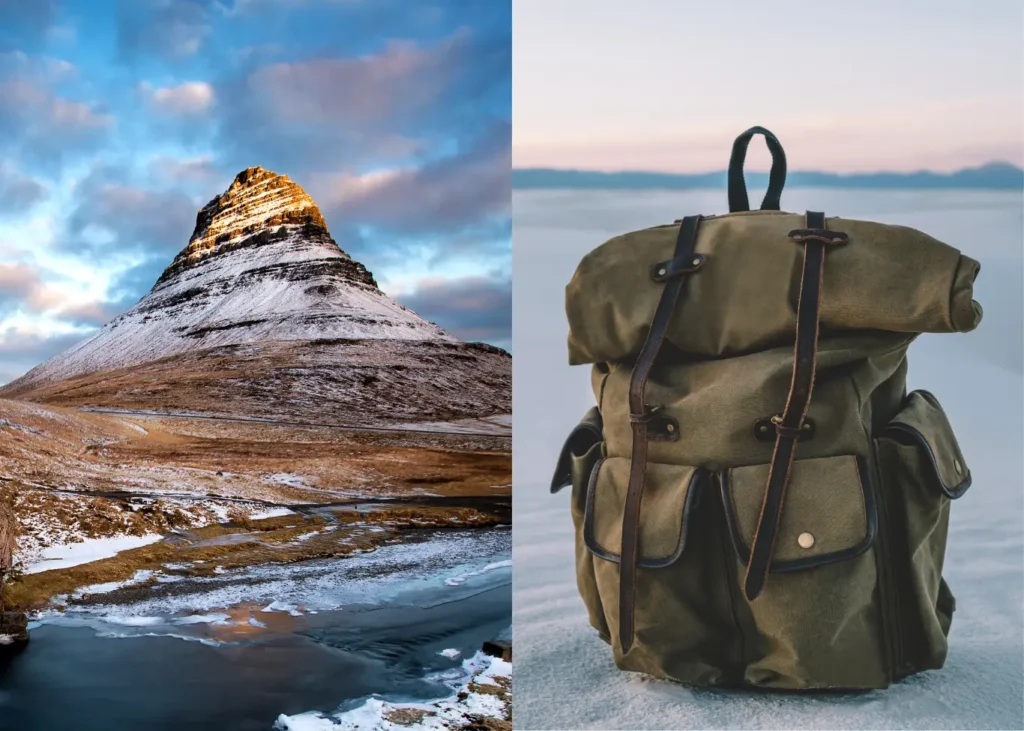
But don’t worry, we are going to provide detailed packing lists for all kinds of scenarios!
Year-Round Packing Essentials
Uncertainty is the only thing that’s certain about Icelandic weather. So no matter what time of the year you’re visiting, there are some essential items that you must have with you.
You need to be adequately equipped to face ANY kind of weather, regardless of the season.
In simple words, you need to be prepared for wind, rain, snow, and sun.
Here’s an year-round essential Iceland packing list.
Clothing
- Base Layers: long-sleeve, moisture-wicking tops (merino/synthetic), moisture-wicking bottoms, no cotton
- Mid Layers: fleece jackets or wool sweaters; packable down jacket/vest
- Outer Layers: high-quality waterproof/windproof shell jacket with hood, waterproof/windproof rain pants
- Pants: quick-drying pants
- Socks: wool or synthetic socks (various weights)
- Underwear: moisture-wicking underwear
Footwear
- Boots: sturdy, waterproof boots with ankle support and traction
- Camp/Town Shoes: lightweight, comfortable shoes for after-hike
- Flip flops: for river crossings, geothermal pools
Hand & Headwear
- Hat: warm beanie, sun hat/cap
- Gloves: water-resistant gloves
- Neck Gaiter/Buff: versatile buff/neck gaiter
Hygiene & Personal Items
- Quick-Dry Towel: lightweight, small towel
- Toiletries: biodegradable soap, toothbrush, toothpaste, hand sanitizer, wet wipes
- Sunscreen: high SPF sunscreen
- Lip Balm: SPF lip protection
- Insect Repellent: for midge-prone areas
Navigation & Safety
- Maps: offline maps on phone, physical maps, compass, GPS device
- First Aid Kit: comprehensive kit including blister care, pain relief, antiseptic, bandages, antihistamines, personal meds
- PLB: personal Locator Beacon for emergency communication in remote areas
- Whistle: for signaling
- Repair Kit: duct tape, gear patches, sewing kit for quick fixes
Accessories
- Daypack: comfortable 20-30L daypack with rain cover
- Water Bottle: reusable water bottle (1L+) or hydration bladder
- Sunglasses: polarized sunglasses
- Snacks: high-energy, non-perishable snacks
- Swimsuit: for hot springs/geothermal pools
- Dry Bags: ziplock bags to protect electronics and documents
Electronics
- Camera Gear: camera, extra batteries, memory cards, camera stand, camera leash
- Power Bank: high-capacity power bank for charging electronics
- Headlamp/Flashlight: with extra batteries
Documents
- Important Documents: passport, IDs, travel insurance, emergency contacts
- Cards & Currency: payment methods, debit/credit cards, do keep local currency
- Driving License: if you want to rent a car
- Travel Itinerary: flight and accommodation details
PDF Download
What to Pack for Iceland in the Winter?
The winter temperature in Iceland can vary between 14°F to 50°F (-10°C to 10°C), depending on the area. However, the winds can be extremely chilling.

You will need good insulation, and should cover yourself from head to toe with lots of thermal layers.
Here’s what to pack for Iceland in the winter:
- Winter Jacket/Parka: insulated, waterproof, windproof, and warm, a ski jacket can work with layers.
- Base Layers: 2-3 pairs of moisture-wicking merino or synthetic underwear
- Mid-Layers: wool or fleece sweaters, several for insulation; wool offers superior warmth
- Winter Pants: warm, waterproof, essential for staying dry in snow, slush, or rain
- Socks: woolen, thick, moisture-resistant, pack enough for double layering if needed
- Boots: waterproof, insulated, sturdy, with good ankle support for warmth and traction
- Ice Cleats/Microspikes: recommended for icy surfaces (can buy locally).
- Gloves/Mittens: insulated outer pair (e.g., Gore-Tex mittens) and thin inner gloves.
- Hat, Scarf/Buff/Neck Gaiter: for protection against wind and cold
- Hand Warmers: disposable or reusable for extreme cold
- Headlamp: for limited daylight and Northern Lights viewing
- Lip Balm and Face Cream: protects skin from dry, cold, windy conditions
What to Pack for Iceland in the Summer?
Though warmer, summer still brings wind and rain… so you need to wind and rainproof everything. The average temperature stays between 52°F to 59°F (11°C to 15°C).

So you can ditch your thermal layers for something lighter.
Here’s what to pack for Iceland in the summer:
- Shell Jacket: lightweight, waterproof, windproof and breathable for rain or mist
- Pants/Hiking Pants: quick-dry, comfortable, flexible synthetic material
- Shirts: t-shirts and long-sleeved, moisture-wicking synthetic or merino wool base layers
- Fleece or Sweater: for adaptable warmth on cooler days or evenings
- Sunscreen: high SPF, non-greasy, for strong UV rays and glare.
- Sleep Mask: essential for blocking out Midnight Sun (24 hrs sunlight).
- Bug Spray: useful for midges, especially around lakes.
- Hiking Sandals: for warm days, river crossings, or hot springs
- Light Hat: for sun protection
- Swimsuit: for geothermal pools
What to Pack for Shoulder Seasons?
The average temperature in Spring and Autumn stays between 32°F to 50°F (0°C to 10°C).

So, your packing list needs to have a careful blend of winter and summer essentials. But it should lean more towards winter gear due to approaching cold, icy roads, and frequent rainfall.
Here’s what to pack for Iceland in the shoulder seasons:
- Jacket: waterproof, crucial for rain, fits layers underneath
- Base Layers: thermal leggings, essential for warmth on colder days
- Wool/Fleece Sweaters: multiple mid-layers for adaptable warmth
- Hiking Shoes/Boots: waterproof, non-negotiable for wet conditions and varied terrain
- Warm Hats, Gloves, Scarf/Buff: for protection against wind and dropping temperatures
Iceland Packing List – Seasonal Comparison
Even though you need to pack for all weather conditions regardless of the season, there will be some variations in your Iceland packing list depending on the season.
| Item | Summer (Jun-Aug) | Winter (Nov–Mar) | Shoulder Seasons (Apr–May, Sep–Oct) |
|---|---|---|---|
|
Jacket |
Lightweight waterproof shell |
Insulated waterproof parka |
Waterproof shell or light down jacket |
|
Base Layers |
Optional / lightweight if cold |
Thermal base layers (top & bottom) |
Thermal base layers (lighter than winter) |
|
Mid Layers |
Fleece or thin wool |
Fleece or thick wool |
Fleece or insulated jacket |
|
Socks |
Wool / synthetic (light to medium) |
Heavy wool / thermal socks |
Medium wool socks |
|
Gloves |
Light gloves (optional) |
Insulated winter gloves + liners |
Fleece or light insulated |
|
Headwear |
Sunhat or cap |
Warm hat (covers ears) |
Warm hat or beanie |
|
Ice Cleats |
Not needed |
Recommended |
Needed in early spring / late fall |
|
Sleep Mask |
Essential (midnight sun) |
Optional |
Optional
|
|
Hand/Foot Warmers |
Not needed |
Recommended |
Optional |
|
Bug Spray |
Recommended (especially Jul–Aug) |
Not needed |
Optional (for May) |
|
Flashlight |
Not needed |
Needed (short daylight) |
Needed in late fall |
How to Pack for Unpredictable Weather?
Icelanders often say, “there’s no bad weather, just bad clothing.” Well, this can’t be more true. Despite all its unpredictability, you can easily tackle Icelandic weather with the right packing strategy.
Here is what to keep in mind.
Layering Is Key
Layering is ESSENTIAL to any Iceland packing list.
With years of experience as tour guides, we can tell you that dressing in layers is the best way to deal with Iceland’s unpredictable weather. It’s because layering allows you to adjust your outfit on the go.
We recommend to always wear three layers.

Start with a moisture-wicking base layer, like merino wool or synthetic thermal wear. Then an insulating mid-layer, like a fleece or down jacket to trap heat. And finally a waterproof, windproof shell to protect you from the elements.
Avoid cotton and jeans as they absorb moisture and dry slowly. Opt for quick-dry, moisture-wicking materials instead.
Waterproof Everything
Iceland experiences a lot of rainfall throughout the year, so waterproofing is absolutely essential.
Your outerwear (both top and bottom), headwear, footwear, handwear, backpack – everything needs to be waterproof.

You also need to pack dry bags or ziplocks to protect your electronics, documents, and other essentials.
Also, when we say waterproof, we mean waterproof – and not water-resistant.
Choose the Right Footwear
As we have already mentioned above, you need sturdy and waterproof boots with good grip to walk on icy surfaces.

This applies in all seasons except summer. But you’ll be better off with such boots even in summer if you plan to hike or explore remote areas and glaciers.
Try to avoid using sneakers or regular shoes.
Don’t Underestimate the Wind
The wind in Iceland can be bone-chilling. It can make the weather significantly cooler than what you’d expect from the temperature forecast.

Make sure to pack a hat/beanie, gloves, and a neck gaiter/buff to shield exposed skin. And remember to pack windproof shell as well!
Adapt to Changing Weather
We strongly recommend to regularly check for weather forecasts on vedur.is. It’s crucial to stay one step ahead of the Icelandic weather.
You can also check our detailed weather guide that breaks down everything about weather patterns in Iceland.
And another another good resource is SafeTravel.is for alerts and tips.
Iceland Packing List by Activity
Considering the nature of different activities and adventures, you need to tailor your packing list accordingly.
Iceland Packing List for Day Hikes
Iceland has a number of locations for day hikes. While Landmannalaugar is unarguably the most popular hiking destination, there are many lesser known “untouched” spots as well.

Ola and I recently hiked the Mulagljufur Canyon trail, and we just loved it there.
When going for a day-hike, here’s what to pack:
Clothing
- Base Layer: merino wool or synthetic (moisture-wicking)
- Insulating Layer: fleece or lightweight down jacket
- Shell Jacket: waterproof & windproof Gore-Tex or similar
- Hiking Pants: water-resistant or quick-dry material
- Hat/Beanie: insulated for protection against elements
- Buff or Neck Gaiter: protection against elements
- Gloves: insulated and waterproof
- Extra Socks: merino wool preferred
Footwear
- Hiking Boots: waterproof with ankle support
- Gaiters: for muddy or snowy trails (optional)
- Camping shoes: (optional)
Gear
- Daypack: (20–30L) with rain cover
- Water bottle: at least 1.5–2L
- Trekking Poles: for extra support and river crossings
- Map/GPS/Offline Apps: trail navigation
- Headlamp or Flashlight: doesn’t apply for peak of summer
- First Aid Kit: for emergencies
- Multitool or Knife: for almost everything
- Power Bank: might be handy for longer hikes
- Whistle: for signaling in emergencies
Food
- High-energy snacks: trail mix, jerky, protein bars, nuts
- Packed lunch: sandwiches, wraps, etc.
- Electrolyte tablets: for proper hydration (glacier water lacks electrolytes)
Misc
- Sunglasses: UV protection even on cloudy days
- Sunscreen & Lip Balm: Icelandic sun and wind can burn
- Ziplock Bag: for used items, toiletries
- Bug Spray: important for summer in certain areas
- Toilet paper & Wipes
Optional
- Camera gear: for photography enthusiasts
- Binocular: for observing landscapes and animal life
PDF Download
Iceland Packing List for Multiday Hikes
In case of multiday hikes, your packing list will depend on the number of days and your lodging options. For instance, when hiking Laugavegur trail, you can either pitch your own tent or stay in huts – so your packing list will vary.
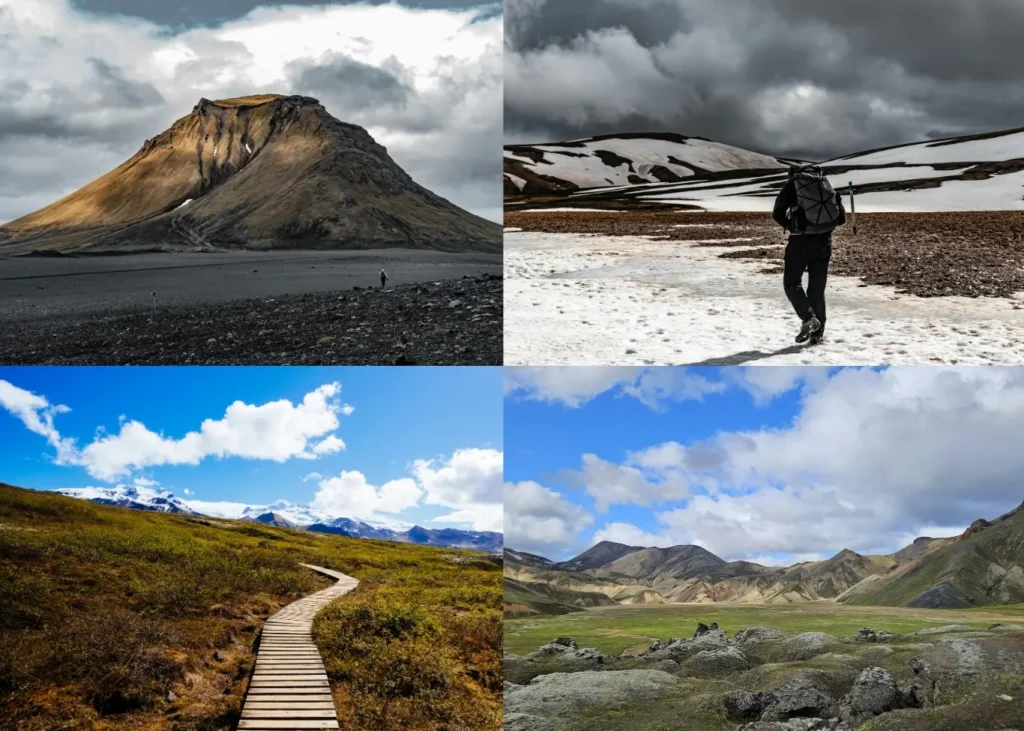
Pack the following items for a hike spanning to 3+ days:
Clothing
- Base Layers: 2 sets, moisture-wicking (merino wool or synthetic)
- Insulating Layers: 2 sets, fleece and/or lightweight down jacket
- Shell Jacket: windproof, waterproof, high-quality, breathable
- Rain Pants: light, for rainy days
- Hiking Pants: 2 pairs, quick-dry, durable
- Trekking Shirt: 2–3 pairs: lightweight, long-sleeved preferred
- Hat/Beanie: to protect from wind and cold
- Buff or Neck Gaiter: to protect from wind and cold
- Gloves: waterproof and insulated
- Underwear: 3–4 pairs
- Socks: 3–4 pairs, merino wool
- Sleepwear: warm and dry layer for sleeping only
Footwear
- Hiking Boots: waterproof, sturdy with ankle support
- Sandals: lightweight, for resting and river crossings
- Gaiters: for snow, mud, or ash (optional)
Gear
- Backpack: (50–70L) – with rain cover
- Tent: lightweight, 3-season, wind-proof
- Sleeping Bag: rated for 0–5°C (32–41°F)
- Sleeping Pad: insulated and compact
- Trekking Poles: for additional support and river crossing
- Headlamp: with extra batteries (not needed in peak of summer)
- Navigation: map, compass, GPS or offline apps (AllTrails, Gaia)
- First Aid Kit: include blister pads, painkillers, allergy meds
- Multitool or Knife: for almost everything
- Power Bank: or solar charger
- Trash Bags: a need to carry your trash in many places in Iceland
- Duct Tape: for repairs (small roll)
- Repair Kit: for sleeping pad/tent
Cooking & Food
- Portable Stove: gas or alcohol-based (compatible fuel)
- Fuel Canisters: enough for all days
- Cookware: lightwere pot, pan, utensils, mugs, cutlery
- Lighter/Firestarter:
- Dehydrated meals: instant, lightweight hiking meals
- High-Energy Snacks: jerky, trail mix, granola bars, nuts, dried fruit
- Electrolyte tablets: for proper hydration (glacier water lacks electrolytes)
- Dish Soap: biodegradable, and scrubber
- Water Bottle: 2–3L total capacity
- Thermos: useful for both, hot and cold beverages
Hygiene
- Toothbrush & Toothpaste: biodegradable
- Soap: biodegradable
- Ziplock Bag: for used toilet paper/waste
- Towel: lightweight, fast-dry
- Lip Balm & Sunscreen: Icelandic sun and wind can burn
- Bug Spray: especially June–August, certain areas
- Wipes and Toilet paper
Misc
- Sunglasses: polarized sunglasses
- Camera gear: for photography enthusiasts
- Binocular: for observing landscapes and animal life
- Stuff bags: for clothes, electronics, food etc.
- Earplugs: for a good night’s sleep in windy conditions or shared huts
PDF Download
Iceland Packing List for Road Trips
Iceland also offers a number of road trip opportunities. Just rent a car and off you go. Driving to Stokksnes from Reykjavik, for instance, makes for a great road trip… with just the perfect end.

Here’s what you need to have for an enjoyable road trip:
Vehicle Essentials
- In-Car Cooler: Electric Cool Box
- Jump Starter Kit: Jumper Cables
- Tool Kit: for roadside emergencies
- Chains: for winter conditions, especially east and north
- Small Shovel: if you get stuck in snow
- Tire Pressure Gauge: for off-roading
- Portable Air Compressor: for off-roading
- USB Charger: to recharge your electronics
- Audio System: for music
Navigation
- Offline Maps: (Google Maps, Maps.me, Waze downloaded for offline use)
- Paper Road Map: optional
Misc
- Travel Pillow: neck support
- Eye Mask: for sleeping in summer (midnight sun)
- Thermos: or insulated travel mug
- Snacks: food that doesn’t expire quickly
- Wipes/Hand Sanitizer
- Bags: for garbage and recycling
- Binoculars: for landscape observations (optional)
Iceland Packing List for Ice Caves & Glaciers
For ice caving and glacier walks, we’d strongly recommend to join a guided tour. Tour operators usually provide technical gear, but
it’s better to plan and coordinate ahead.
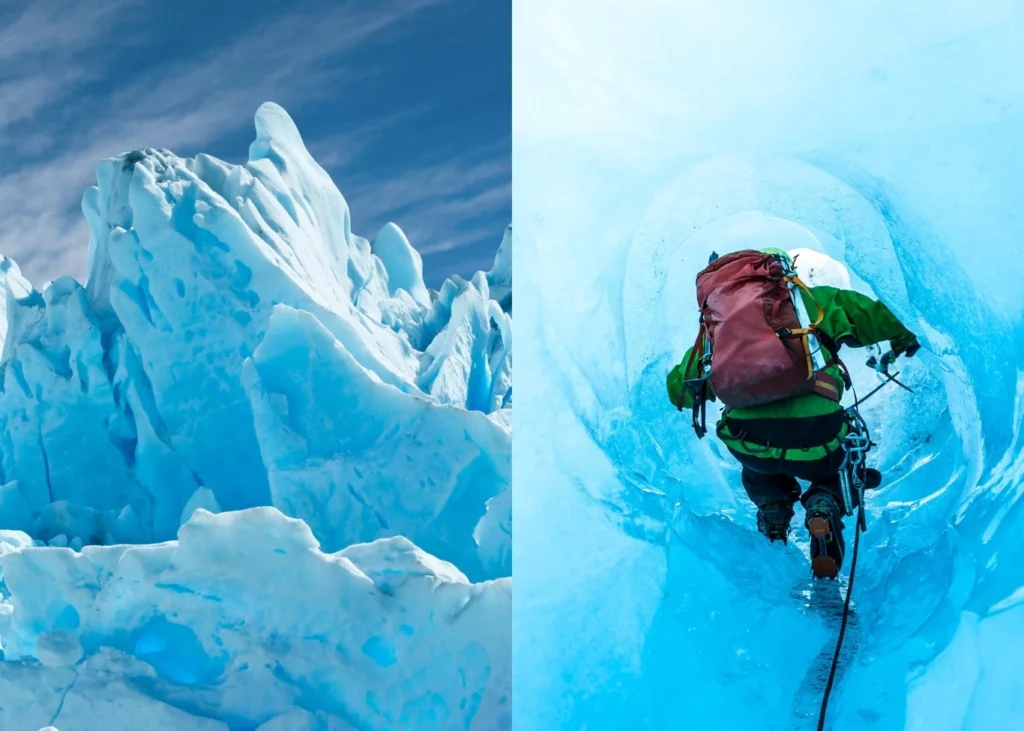
You packing list should include:
Clothing
- Base layers: super warm & moisture-wicking (merino wool/synthetics)
- Mid-layers: insulating fleece jacket/pants, light down jacket
- Outer shell: warm, breathable, waterproof jacket and pants
- Hat/beanie: warm, but thin enough to fit under a helmet
- Gloves: thin liner (for dexterity) + thick, waterproof insulated gloves/mittens
- Neck gaiter/balaclava: to protect from wind and cold
- Hand warmers: disposable or reusable
Footwear
- Socks: woolen thick socks
- Hiking boots: insulated, sturdy, waterproof with good ankle support
Gear
- Crampons: metal spikes for walking on ice
- Helmet: preventing falling ice hazards
- Ice Axe: for glacier hiking only, not needed for standard ice cave visits
- Harness: for glacier walks or climbing
- Trekking Poles: only if extra lower body support needed
- Ropes & Rescue Gear: carried by experienced group leader
Misc
- Sunglasses or Goggles: should be polarized, expect intense glare from snow and ice
- Sunscreen & Lip Balm: with SPF, reflection off the ice can lead to severe sunburn
- Water Bottle/Thermos: dehydration is very common during glacier travel
Iceland Packing List for Northern Lights
Jokulsarlon glacier lagoon is the best place to see northern lights. However, sightings depend on a lot of factors. To maximize your chances, please consult auroraforecast.is before your visit.

Also, don’t forget to take the following:
Clothing
- Base layers: super warm & moisture-wicking (merino wool/synthetics)
- Mid-layers: insulating fleece jacket/pants, light down jacket
- Outer shell: warm, waterproof, and breathable jacket and pants
- Hat/beanie: warm
- Gloves: waterproof, insulated
- Neck gaiter/balaclava: to protect from wind and cold
- Socks: thick, woolen
Misc
- Mat/Pad: insulated for sitting
- Hand Warmers: while waiting or photographing
- Snacks
Photography
- Camera: DSLR/Mirrorless + wide angle lens
- Batteries: extra camera power
- Tripod: for stabilization and long exposure
- Cloths/Wipes: for lens maintenance
Iceland Packing List for Snorkeling
Snorkeling in Silfra Fissure is possible throughout the year due to consistent 35-39°F (2-4°C) water temperature. Tour operators provide the gear, but it’s better to check in advance.
Here’s what you’ll need for this memorable adventure:
Under Dry Suit Layers
- Base Layers: thick thermal (Merino Wool/Fleece)
- Mid-Layer: warm (Thick Fleece or Wool Sweater)
- Socks: extra thick wool
Post Swim Comfort
- Swimsuit/Swim Shorts
- Towel: quick-dry
- Warm Clothes: for change after the tour
- Hat/Beanie: warm
- Gloves/Mittens: warm
- Thermos: with hot drink
Misc
- Contact Lenses: if you wear glasses. Some tour operators have prescription masks, it’s best to check in advance.
- Camera: waterproof gear such as GoPro, if you want own shots
Iceland Packing List for Whale Watching
Whale watching tours are available year-round, but June to August are the best months.
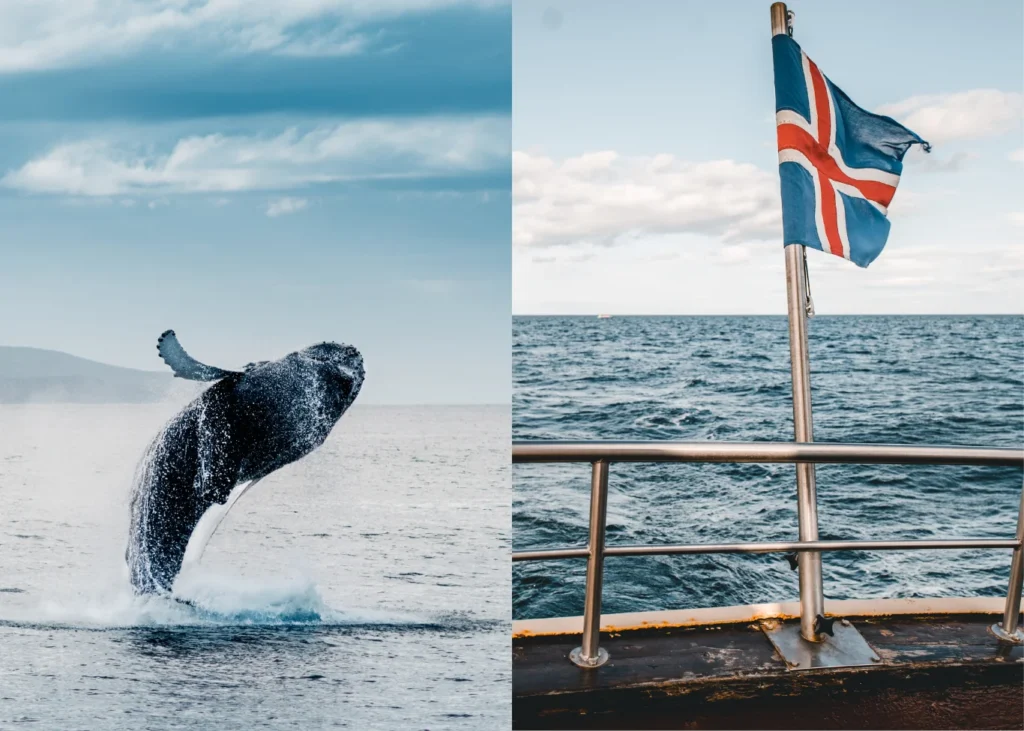
Here’s what to pack for this activity:
Clothing
- Base layers: super warm & moisture-wicking (merino wool/synthetics)
- Mid-layers: insulating (fleece jacket/pants, light down jacket)
- Outer shell: warm, waterproof, and breathable jacket and pants
- Hat/beanie: warm
- Gloves: insulated and waterproof
- Neck gaiter/balaclava: to protect from cold and wind
- Socks: thick woolen
Misc
- Binoculars: for wild life observation
- Sunglasses: polarized
- Medication: for sea sickness (e.g., Dramamine)
- Candies/Chews: ginger to help with nausea
Photography
- Camera: with a telephoto/zoom Lens
- Camera Bag: waterproof rain cover for camera
- Cloths/Wipes: for lens maintenance
Iceland Packing List for Geothermal Pools
Bathing in natural hot springs and geothermal pools is incredibly therapeutic. It’s the perfect way to end your hike. Iceland has a number of such pools, but we loved the ones at Kerlingarfjöll the most.
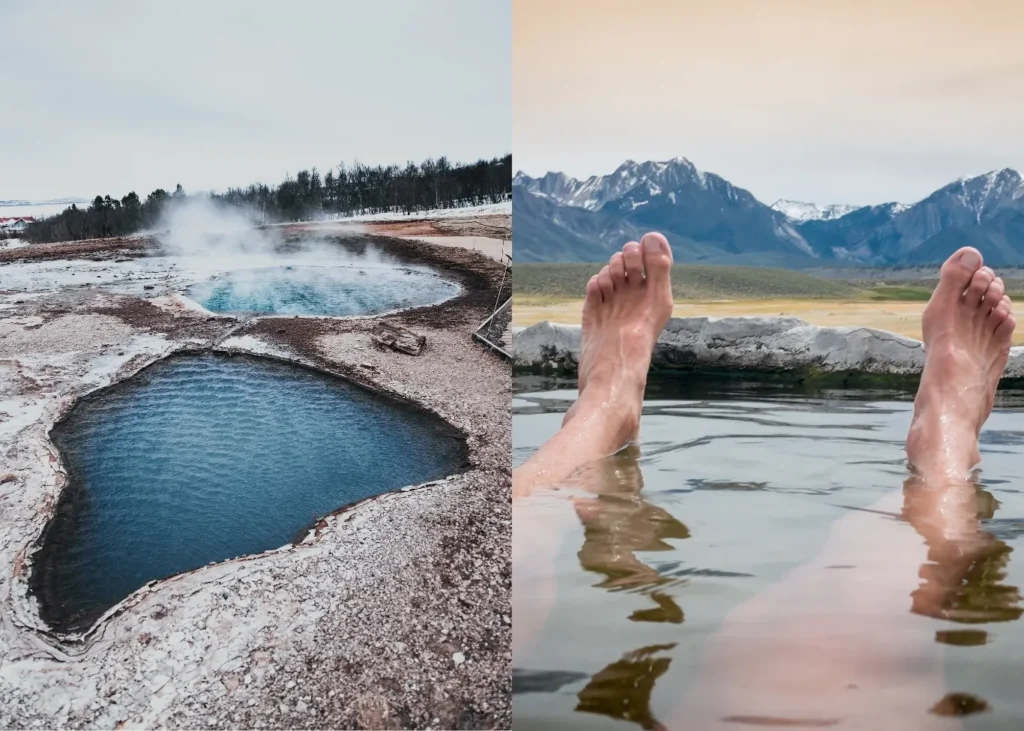
Here’s what to pack:
- Sandals/Flip-Flops: for walking between changing rooms and pools
- Towel: quick-dry
- Ziploc/Wet Bag: to keep your wet swimsuit in your bag dry
- Brush: for body stimulation
Packing Mistakes to Avoid
Working here in Iceland as guides, we often notice that travelers tend to either underpack or overpack. You need to avoid both.
Here are some packing mistakes that are good to avoid.
| Packing Mistake | Why It’s a Problem / What to Do Instead? |
|---|---|
|
Not Packing Layers |
Iceland’s weather changes rapidly. Pack base, insulating, and waterproof outer layers instead of heavy coats. |
|
Bringing Only Jeans or Cotton Clothing |
Cotton absorbs moisture and dries slowly. Opt for quick-dry, moisture-wicking materials. |
|
Ignoring Waterproof Gear |
Rain is frequent year-round. Always pack a waterproof jacket, pants, and backpack cover. |
|
Wearing Inappropriate Footwear |
Sneakers or fashion boots offer poor grip and no water protection. Wear waterproof hiking boots. |
|
Overpacking Bulky Items |
Space is limited in campervans/cars. Pack compact, versatile items instead of bulky extras. |
|
Skipping Swimwear |
You’ll want to enjoy hot springs and geothermal pools. So, do bring a swimsuit. |
|
No Sleep Mask or Earplugs |
In summer, 24-hour daylight can affect sleep. In winter, winds can be loud. Pack both for better rest. |
|
Forgetting Chargers & Power Adapters |
Iceland uses Type F sockets (European standard). Bring correct adapters and power banks. |
|
Not Bringing Snacks or Reusable Bottles |
Rural areas have limited food options. Pack snacks and a refillable water bottle (tap water is clean). |
|
Underestimating Sun or Wind Exposure |
Pack sunglasses, lip balm with SPF, and sunscreen—even on cloudy days. Windburn and UV can be intense. |
|
No Emergency Items for Outdoors |
Always carry a first-aid kit, whistle, flashlight/headlamp, and emergency blanket if hiking or road-tripping. |
|
Leaving Out Bug Spray (Summer) |
Midges can be annoying in summer near lakes and wetlands. Bring bug repellent, especially for July-August. |
|
No Dry or Ziplock Bags |
Due to frequent rain, you must bring dry bags or ziplock bags to protect your electronics and documents. |
|
Paying for Water |
There’s no need to buy bottled water; you can simply refill your reusable bottle. |
Summary
If you want to have a good time in Iceland, you need to pack right. Iceland is known for unpredictable weather and rapid shifts between sun, rain, and strong winds.You need to come prepared to face all four seasons in a single day.
In addition to carrying year-round essentials, you need to tailor your Iceland packing list based on the season and the activities you plan to do.You should dress in layers, cover yourself from head to toe, and waterproof everything.
Avoid the mistakes that we have mentioned, frequently check weather forecasts, and keep adapting to the changing weather conditions. Remember, “there is no such thing as bad weather, just bad clothing.”
If you have any questions, please feel free to leave a comment below.😉
Facebook
Pinterest
LinkedIn
Twitter
FAQ
What to include in an Iceland packing list for hikers?
An Iceland packing list for hikers should include layered clothes, waterproof hiking boots, a weatherproof jacket, gloves, a warm hat, a reusable water bottle, energy snacks, and map or GPS device.
Why can't you wear jeans in Iceland?
Jeans soak up water and dry slowly, making you cold and uncomfortable. This is why you must avoid cotton and jeans in Iceland. Quick-dry, waterproof clothing is a much better choice.
What to pack for Iceland in the summer?
Even in summer, you need to dress in layers: moisture-wicking base, a fleece, and a waterproof jacket. You also need to pack waterproof boots, wool socks, gloves, a hat, bug spray, sunglasses, and a swimsuit for hot springs.
What clothes do you need for a trip to Iceland?
You’ll need thermal base layers, a warm mid-layer, a waterproof shell, waterproof boots, wool socks, gloves, and a hat. Dress in layers and avoid cotton/jeans.
Why I should pack layers?
Your Iceland packing list is incomplete without layers. It’s because Icelandic weather can shift rapidly from sun to wind or rain. Layers are good as they let you adjust your outfit on the go.
> YOU MAY ALSO LIKE

Diamond Beach in Iceland: Your Ultimate Travel Guide
7 January 2026
No Comments

Ultimate Guide to Hiking Kristínartindar in Iceland
20 November 2025
No Comments
TABLE OF CONTENTS